For too long, women have struggled with ill-fitting bras, experiencing discomfort and lacking proper support. This guide simplifies bra sizing,
delivering precise results and eliminating frustration. Accurate sizing is now accessible to everyone, ensuring a comfortable and confident fit.
Why Proper Bra Fit Matters
A well-fitted bra is fundamental to both physical comfort and overall well-being. Beyond simply preventing discomfort like pinching or slipping, proper support significantly impacts posture, potentially alleviating back and neck pain. Many women are unaware they’ve been wearing the incorrect size for years, leading to chronic discomfort and even skin irritation.
Choosing the right bra enhances your silhouette, boosting confidence and allowing clothing to drape correctly. It’s a core human experience to question if you’re “normal,” but average sizes vary, and finding your perfect fit is key. Ignoring proper fit can lead to long-term issues, while a correctly fitted bra provides essential support and a noticeable improvement in daily life. Don’t underestimate the power of a comfortable, supportive foundation!
Common Bra Fitting Mistakes
One frequent error is relying on a bra size determined years ago, as bodies change over time due to weight fluctuations, pregnancy, or even aging. Many assume advice to get measured with each purchase is unnecessary, especially with increased online shopping, but this is a critical mistake. Another common issue is assuming a specific size based on clothing size – bra size and dress size are unrelated!
Ignoring signs of a poor fit, such as digging straps or gapping cups, is also prevalent. Women often attempt to “make do” with ill-fitting bras rather than seeking a proper fitting. Furthermore, failing to consider different bra styles – balconette, t-shirt, sports – and their unique fit requirements contributes to discomfort. Prioritizing aesthetics over support is a mistake; a beautiful bra is useless if it doesn’t fit correctly.

Understanding Bra Sizing
Bra sizing involves two key components: band size, representing the underbust circumference, and cup size, indicating breast volume. Knowing these elements unlocks a comfortable fit.
Band Size: How to Measure
Determining your band size is the foundational step in achieving a proper bra fit. Stand naturally and measure snugly around your torso directly under your breasts, ensuring the measuring tape is level all the way around.
Breathe normally – do not suck in your stomach or puff out your chest. Record this measurement in inches. If you get an even number, this is typically your band size. However, if you get an odd number, add one inch to round up to the nearest even number.
For example, if your underbust measurement is 31 inches, your band size is 32. If it’s 30 inches, your band size is 30. It’s crucial to measure snugly, as a loose measurement will result in a band that doesn’t provide adequate support. Remember, the band provides approximately 80% of the bra’s support!
Cup Size: Determining Your Volume
Once you’ve established your band size, the next step is to determine your cup size, which represents your breast volume. Measure loosely around the fullest part of your bust, ensuring the measuring tape is level and doesn’t dig in.
Record this measurement in inches. Now, subtract your band size (measured snugly under your breasts) from your bust measurement. The difference between these two measurements determines your cup size.
A difference of 1 inch typically corresponds to an A cup, 2 inches to a B cup, 3 inches to a C cup, and so on. For example, if your bust measurement is 36 inches and your band size is 32 inches, the difference is 4 inches, indicating a D cup. Your initial bra size would then be 32D.
Sister Sizes: Expanding Your Options
Finding your perfect bra size isn’t always straightforward; that’s where sister sizes come in. Sister sizes are bras that have the same cup volume but different band sizes. Understanding them expands your options, especially when your ideal size isn’t available.
To find your sister sizes, either increase the band size and decrease the cup size, or decrease the band size and increase the cup size. For example, a 34C has sister sizes of 32D and 36B.
If a 34C feels too tight in the band, try a 36B. Conversely, if the band feels too loose, a 32D might be a better fit. Sister sizes are invaluable when shopping online or when a particular style runs small or large. Don’t hesitate to experiment!
Measuring for Your Bra
Accurate measurements are crucial for finding your ideal bra fit. A step-by-step guide ensures precise band and bust measurements, leading to a comfortable, supportive bra.
Step-by-Step Guide to Measuring Band Size
Begin by standing naturally with your arms relaxed at your sides. Use a flexible measuring tape, ensuring it remains level around your torso. Breathe normally – do not suck in your stomach! Position the tape snugly, directly under your breasts, where the band would typically sit.
The measurement should be a whole number; if it falls between sizes, round up to the nearest even number. For example, if you measure 31.5 inches, round up to 32 inches; This measurement represents your band size. It’s important to re-measure periodically, as your ribcage size can fluctuate.
Ensure the tape is parallel to the floor throughout the process for an accurate reading. A properly measured band provides the majority of the bra’s support, so precision is key. Don’t pull the tape too tight, or the measurement will be inaccurate.
Step-by-Step Guide to Measuring Bust Size
Stand naturally with your arms relaxed and wear a non-padded bra, or measure without a bra for the most accurate result. Position the measuring tape around the fullest part of your bust, ensuring it’s level all the way around. Don’t pull the tape too tightly; it should be snug but comfortable.
Take a deep breath and exhale normally while taking the measurement. Record this number as your bust size. It’s crucial to maintain the tape’s level position throughout the measurement process. If your bust size is an odd number, round up to the nearest whole number.
Repeat the measurement a couple of times to ensure consistency. This bust measurement, combined with your band size, will help determine your initial bra size. Remember, accurate measurement is vital for a comfortable and supportive fit.
Calculating Your Initial Bra Size
Once you have your band size and bust measurement, calculating your initial bra size is straightforward. Subtract your band size from your bust size. The difference determines your cup size. For example, a 3-inch difference typically corresponds to a C cup, a 4-inch difference to a D cup, and so on.
However, this is just a starting point. Bra sizes can vary between brands, so it’s essential to try on bras to confirm the best fit. Consider that this calculation provides an estimated size, and individual breast shapes and projection can influence the ideal cup size.
Don’t be surprised if your initial calculation doesn’t perfectly match your ideal fit. Use sister sizes to explore alternative options and prioritize comfort and support when selecting a bra.
Recognizing a Poor Bra Fit
Common signs include a band that rides up, straps digging into shoulders, spillage, or gaping cups. These indicate discomfort and lack of support, requiring adjustment or resizing.
Signs Your Band is Too Tight
A band that feels uncomfortably snug, leaves red marks, or causes skin to bulge over the sides is likely too tight. You might experience difficulty breathing deeply or feel restricted movement. The band should sit level around your torso and not ride up in the back when you raise your arms.
If the band digs into your skin, causes pain, or leaves noticeable indentations after removing the bra, it’s definitely too small. Tight bands often lead to shoulder strap digging as they compensate for the lack of support. Furthermore, a too-tight band can contribute to back pain and poor posture. Remember, the band provides the majority of the bra’s support – approximately 80% – so a proper fit is crucial for comfort and well-being. Don’t ignore these warning signs; prioritize a comfortable and supportive fit!
Signs Your Band is Too Loose
If your bra band rides up significantly in the back, feels like it’s floating, or doesn’t stay put when you move, it’s likely too loose. You should be able to comfortably fit two fingers underneath the band, but it shouldn’t move excessively on its own.
A loose band fails to provide adequate support, causing the breasts to sag and potentially leading to shoulder strap slippage. It can also create discomfort and a lack of confidence. If you find yourself constantly adjusting your bra, especially the band, it’s a clear indication that it’s not fitting properly. Remember, the band should feel secure and supportive, not flimsy or unstable. Prioritize a snug, yet comfortable fit to ensure optimal support and prevent strain on your back and shoulders.
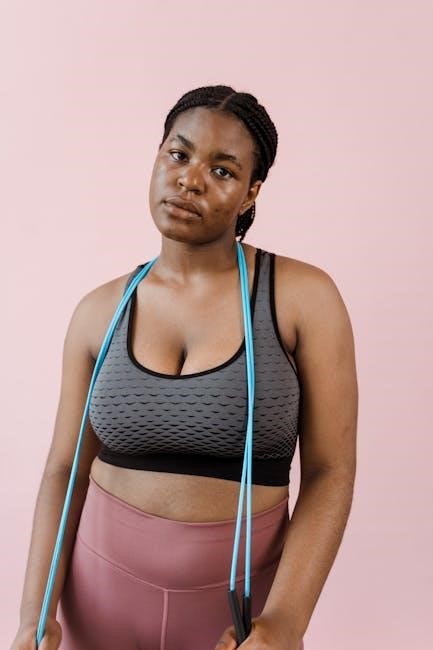
Signs Your Cups are Too Small
Experiencing significant spillage over the top or sides of your bra cups is a primary indicator that your cups are too small. This means your breasts aren’t fully contained within the cup, leading to discomfort and an unflattering silhouette.
Additionally, deep creases or lines forming across your breasts while wearing the bra suggest insufficient coverage. The underwire might dig into your breast tissue, causing pain or irritation. A too-small cup can also cause your straps to dig into your shoulders as they compensate for the lack of support. Prioritizing a proper cup size ensures complete containment, comfort, and a natural shape. Don’t hesitate to size up to alleviate these issues and achieve a more supportive and flattering fit.

Bra Styles and Fit Considerations
Different bra styles require unique fitting approaches for optimal support and appearance. Consider the garment you’re wearing and desired look when selecting a bra.
Balconette Bras: Fit Tips
Balconette bras are known for their wide-set straps and half-cup design, offering lift and a flattering, open neckline. Achieving the right fit with a balconette requires careful attention to detail. Ensure the underwire fully encapsulates your breast tissue without digging in, and the straps provide adequate support without slipping.
The band should remain level around your torso, offering a secure foundation. Because of the wider set straps, it’s crucial they don’t dig into your shoulders. A proper fit will enhance your cleavage and create a rounded shape. If you experience spillage or gaping, consider adjusting the strap length or trying a different size. Remember, balconette bras are designed to sit higher on the chest, so a slight lift is expected, but discomfort is not!
T-Shirt Bras: Achieving a Smooth Look
T-shirt bras are designed for seamless wear under fitted clothing, providing a smooth silhouette without visible lines. To achieve this, focus on finding a bra with molded, seamless cups. The cups should fully encompass your breast tissue without any spillage or gaping, creating a rounded, natural shape.
Pay close attention to the band – it should be snug but comfortable, lying flat against your body. Avoid bras with excessive padding, as this can create bulkiness. The straps should be appropriately adjusted to provide support without digging into your shoulders. A well-fitted t-shirt bra will disappear under your clothes, offering confidence and comfort all day long. Prioritize a smooth finish and a natural shape for the best results!
Sports Bras: Support and Comfort
Sports bras are crucial for minimizing movement and providing adequate support during physical activity. Unlike everyday bras, sports bras prioritize compression and impact reduction. The level of support needed depends on the intensity of your workout – low-impact activities require less support than high-impact ones.
Ensure the band is snug and doesn’t ride up during exercise. The straps should be wide and adjustable to prevent digging into your shoulders. Look for moisture-wicking fabrics to keep you cool and dry. A proper fit is essential; a too-loose sports bra won’t provide enough support, while a too-tight one can cause discomfort. Prioritize comfort and functionality to maximize performance and minimize bounce!

Dealing with Common Bra Fit Issues
Addressing fit problems like gaping cups, spillage, or digging straps is essential for comfort. Adjustments and solutions exist to resolve these issues and achieve a perfect fit.
Gapping Cups: Solutions
Gapping cups are a common frustration, often indicating a cup size that’s too large or a bra shape that doesn’t match your breast shape. Several solutions can address this issue. First, consider trying a different bra style; a full-coverage or balconette bra might provide a better fit than a plunge bra.
Next, check your band size – a too-loose band forces the cups to gap. Tighten the band to provide better support and pull the breast tissue forward. If the band feels snug but the gapping persists, you likely need to downsize your cup size. Alternatively, explore using bra inserts or padding to fill the gap and create a smoother silhouette.
For asymmetrical breasts, consider using gel inserts in the smaller cup to achieve a balanced look. Finally, remember that bra fit can change over time, so regular re-fitting is crucial for maintaining optimal support and comfort.
Spilling Over the Top: Adjustments
Spilling over the top of your bra cups is a clear sign that your cup size is too small, failing to fully contain your breast tissue. The immediate adjustment is to increase your cup size; try going up one cup size at a time until you achieve full coverage without discomfort. Ensure the underwire fully encapsulates your breast tissue without digging in.
Simultaneously, verify your band size is snug but comfortable. A loose band exacerbates the issue, offering insufficient support. Tighten the band if possible, but avoid making it overly restrictive. Consider a full-coverage bra style, as these offer more containment than plunge or balconette styles.
If you’ve adjusted both band and cup size and spillage continues, explore different bra shapes designed for fuller breasts. Regular bra fittings are essential, as breast size can fluctuate.
Digging Straps: Finding Relief
Shoulder straps digging into your skin indicate the straps are bearing too much of the bra’s support burden. Typically, this means your band is too loose and isn’t providing the necessary 80-90% of the support. Tighten the band first; this should immediately alleviate some pressure on the straps. If tightening doesn’t help, consider going down a band size.
Next, check strap width and padding. Wider straps distribute weight more evenly, reducing digging. Padded straps offer extra cushioning for comfort. Ensure the straps aren’t twisted, as this can create uneven pressure. Adjust the strap sliders to find a comfortable tension – snug, but not cutting into your shoulders.
If issues persist, explore bras with closer-set straps if you have narrower shoulders, or adjustable straps for a customized fit.

Resources for Bra Fitting
Numerous online bra size calculators, professional fitting services, and helpful apps are available to assist you. These tools simplify achieving an accurate, comfortable fit.
Online Bra Size Calculators
Bra size calculators have emerged as valuable tools, particularly for those shopping online where a professional fitting isn’t readily available. These digital resources aim to simplify the process of determining your correct bra size, often based on USA measurements. They typically request your band and bust measurements, then utilize algorithms to suggest a starting size.
However, it’s crucial to remember that these calculators provide an estimated size. Individual bra shapes and variations in brand sizing mean the result isn’t always definitive. They are excellent starting points, but should be supplemented with self-assessment of fit – checking for band tightness, cup fullness, and strap comfort. Several websites offer these calculators, providing a convenient first step towards finding a better-fitting bra and eliminating common frustrations associated with incorrect sizing.
Professional Bra Fitting Services
While online tools offer convenience, a professional bra fitting remains the gold standard for accuracy. Trained fitters possess the expertise to assess your unique shape and identify potential issues that online calculators might miss. They consider not only measurements but also how the bra feels and functions during movement.
Many lingerie boutiques and department stores offer these services, often free of charge. A fitter will guide you through the measurement process, explaining each step and offering personalized recommendations based on your body and preferences. They can also help you navigate different bra styles and understand how they impact fit. Given advice to always get measured is common, especially when shopping online, a professional fitting ensures you invest in bras that truly support and flatter your figure, maximizing comfort and confidence.
Bra Fit Apps and Tools
Numerous bra fit apps and online tools aim to simplify the sizing process, offering a convenient alternative to traditional fittings. These resources often utilize algorithms based on your measurements to estimate your bra size, sometimes even incorporating visual guides or virtual try-on features. A viral breast size calculator recently gained traction on TikTok, prompting many to re-evaluate their current bra size.
While these tools can be a helpful starting point, it’s crucial to remember they aren’t foolproof. Accuracy can vary, and they may not account for individual body variations. Consider them as a preliminary step before investing in a bra, and always prioritize comfort and support. Utilizing these tools alongside professional advice or self-assessment techniques provides the most reliable results, ensuring a well-fitting and comfortable bra.