First Holy Communion Preparation Lessons: A Comprehensive Guide
Navigating faith formation is easier with readily available resources! Explore free printable worksheets and downloadable lesson plans in PDF format, aiding preparation.
Understanding the Sacrament of First Holy Communion
Delving into the heart of this sacred event requires accessible learning tools. First Holy Communion isn’t merely a ceremony; it’s a profound encounter with Jesus Christ, the central tenet of our faith. Preparation materials, often available as downloadable PDFs, illuminate the Eucharist’s significance. These resources explain how bread and wine become the Body and Blood of Christ, fostering a deeper understanding of this transformative gift.
PDF guides simplify complex theology for young minds. They outline the historical roots of the sacrament, tracing its origins to the Last Supper. Understanding this foundational event is crucial. These lessons aim to instill reverence and joy, preparing children for a meaningful and lasting connection with God through the Eucharist.
The Importance of Preparation
Thorough preparation is paramount for a truly meaningful First Holy Communion experience. It’s not simply about memorizing facts, but about fostering a personal relationship with God. Utilizing readily available PDF resources streamlines this process, offering structured lessons and engaging activities. These materials ensure children grasp the significance of receiving the Eucharist – the Body and Blood of Christ – with reverence and understanding.
PDF guides aid both children and parents in this spiritual journey. They provide a framework for catechesis, prayer, and reflection, building a solid foundation of faith. Proper preparation cultivates a deeper appreciation for the sacrament, transforming it from a ritual into a heartfelt encounter with Jesus.
Choosing a First Communion Program
Selecting the right program is crucial for a successful First Communion journey. Consider programs offering comprehensive PDF resources – worksheets, lesson plans, and family guides – to support learning at home. Look for options that emphasize not just doctrinal understanding, but also spiritual development and a personal connection with God. A well-structured program will prepare children to receive the Eucharist with reverence and joy.
Evaluate the program’s approach to catechesis and its alignment with your family’s faith. PDF materials should be age-appropriate, engaging, and clearly presented. Ensure the program includes opportunities for confession preparation, a vital component of receiving Communion in a state of grace.
Essential Elements of a First Communion Preparation Program
A robust program centers on understanding the Eucharist and its significance. High-quality PDF resources are key, providing clear explanations of the Mass, the Real Presence of Jesus, and the importance of receiving Communion. These materials should include engaging activities and prayers to foster a deeper connection with the sacrament.
Confession preparation is non-negotiable, with dedicated lessons and opportunities for reconciliation. The program must also nurture a personal relationship with God through prayer and reflection, utilizing PDF-based worksheets to guide children. Finally, strong parent involvement, supported by accessible PDF guides, is vital for reinforcing learning at home.
Catechism Lessons: Core Beliefs
Foundational lessons must cover essential Catholic doctrines. Utilizing PDF resources, children learn about the Holy Trinity, the Church’s teachings on sin and forgiveness, and the importance of the sacraments; These materials should present complex concepts in an age-appropriate manner, fostering understanding of core beliefs.
Emphasis should be placed on the Real Presence of Christ in the Eucharist, explaining transubstantiation simply. Downloadable PDF worksheets can reinforce these teachings through interactive exercises and coloring activities. A strong catechism foundation, delivered via accessible PDF lessons, prepares children for a meaningful First Communion experience.
Understanding the Eucharist
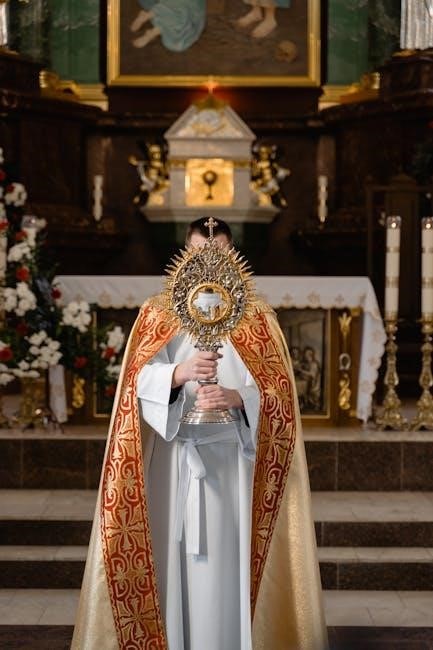
The Eucharist is the “source and summit” of the Christian life; PDF preparation materials should clearly explain this central belief. Lessons should detail how, during Mass, bread and wine become the Body and Blood of Christ – a concept of transubstantiation. Downloadable worksheets can visually illustrate this miraculous transformation.
Focus on Jesus’ Last Supper and its significance. PDF resources should present the Eucharist not merely as a symbol, but as truly Jesus Himself. Interactive activities, available as PDF downloads, can help children grasp this profound mystery, preparing their hearts to receive Christ worthily during First Communion.
The Role of Jesus in the Eucharist
PDF lesson plans should emphasize Jesus’ presence – truly, really, and substantially – in the Eucharist. Explain how He offers Himself as a sacrifice for our sins, renewing the covenant with God. Printable activities can illustrate Jesus’ love and sacrifice, making the concept relatable for young learners.
Highlight Jesus’ words at the Last Supper: “This is my Body…This is my Blood.” PDF resources should underscore the importance of these words, demonstrating that the Eucharist isn’t symbolic, but a real encounter with Christ. Worksheets can reinforce this understanding, preparing children for a meaningful First Communion experience.
Prayer and Spiritual Preparation
PDF preparation materials should strongly encourage daily prayer as a vital component. Include simple, age-appropriate prayers children can learn and recite, fostering a personal connection with God. Printable prayer journals or coloring pages with prayer prompts can enhance engagement.
Emphasize the importance of a quiet heart and reflective spirit before receiving Jesus. PDF resources can offer guided meditations or reflections tailored for First Communion candidates. Encourage children to examine their conscience and seek forgiveness, preparing their hearts for this sacred encounter.

Learning Common Prayers
PDF resources should feature core Catholic prayers in a child-friendly format. Include the “Our Father,” “Hail Mary,” and “Glory Be,” with simplified explanations of their meaning. Printable prayer cards or coloring sheets incorporating the prayers can aid memorization.
Consider adding the “Act of Contrition” and “Angelus” to the PDF curriculum. Break down each prayer into smaller phrases for easier learning, and provide opportunities for practice. Interactive PDFs with audio pronunciations can be incredibly beneficial for young learners, fostering confidence and participation.
Developing a Personal Relationship with God
PDF lessons should encourage children to view prayer as a conversation, not a recitation. Include activities prompting reflection on God’s presence in their daily lives – gratitude lists, drawing pictures of how they feel when praying, or writing simple letters to God.
Introduce the concept of “listening prayer” within the PDF materials. Suggest quiet time for reflection and encourage children to share what they “hear” in their hearts. Printable journal pages can facilitate this personal connection, fostering a deeper understanding of faith beyond rote memorization.
Understanding the Mass
PDF resources should visually break down the Order of the Mass into manageable sections. Include diagrams illustrating the different parts – the Introductory Rites, Liturgy of the Word, Liturgy of the Eucharist, and Concluding Rites – making it less intimidating for young learners.
Interactive elements within the PDF, like fill-in-the-blank sequences of the Mass, are beneficial. Explain the significance of each part in child-friendly language, emphasizing that the Mass is a celebration of Jesus’ sacrifice and a communal prayer experience. Printable coloring pages depicting scenes from the Mass can also reinforce learning.
The Order of the Mass Explained
PDF guides should detail each stage of the Mass sequentially, beginning with the Entrance, Greeting, and Penitential Act. Explain the purpose of the Collect, readings from Scripture (Old and New Testaments), and the Gospel proclamation. Visual aids, like numbered checklists within the PDF, can help children follow along.
Focus on the Eucharistic Prayer, explaining the consecration and the Real Presence of Christ. Detail the Lord’s Prayer, the Sign of Peace, and the reception of Holy Communion. Conclude with the final blessing and dismissal. Printable timelines illustrating the Mass’s flow are incredibly helpful.
The Significance of Each Part of the Mass
PDF resources should illuminate the meaning behind each liturgical element. Explain how the Entrance signifies our arrival in God’s presence, and the readings reveal God’s story of salvation. Detail how the Eucharistic Prayer transforms bread and wine into the Body and Blood of Christ.
Emphasize that Communion unites us with Christ and one another, while the dismissal sends us forth to live out our faith. Include age-appropriate explanations and illustrations within the PDF. Interactive elements, like matching games connecting parts to their meanings, enhance understanding.

Confession (Reconciliation) Preparation
PDF guides should clearly explain the Sacrament of Reconciliation’s importance before First Communion. Detail how confession cleanses us of sin, preparing our hearts to receive Jesus. Include simple explanations of examining our conscience and expressing sorrow for our actions.
Provide sample scripts for making a confession, tailored for young children, within the PDF. Visual aids, like illustrated steps, can be incredibly helpful. Emphasize God’s boundless mercy and forgiveness. Interactive worksheets, prompting reflection on personal actions, reinforce understanding and encourage sincere repentance.
The Importance of Confession Before First Communion
PDF resources must highlight confession as spiritual preparation, cleansing the soul for the Eucharist. Explain that receiving God’s grace through reconciliation deepens our worthiness. A well-structured PDF should detail how confessing our sins demonstrates humility and a desire for closeness with God.
Include age-appropriate explanations of sin and forgiveness, emphasizing God’s unconditional love. Worksheets within the PDF can guide children through self-reflection. Illustrate confession not as punishment, but as a healing encounter with divine mercy, preparing a receptive heart for the sacred moment.
Understanding the Sacrament of Reconciliation
PDF materials should clearly define Reconciliation as God’s loving offer of forgiveness, detailing its biblical roots and purpose. Explain the process – examining conscience, confessing sins to a priest, expressing sorrow, and receiving absolution – using simple language. Include visual aids like diagrams illustrating the confessional setting.
Worksheets can help children identify actions that separate them from God, fostering self-awareness. The PDF should emphasize that confession isn’t merely listing wrongdoings, but a genuine turning back to God. Highlight the priest’s role as a mediator of God’s mercy, offering guidance and support.
Parent Involvement in Preparation
PDF resources for parents should emphasize their crucial role as primary faith educators. Include sections outlining how to discuss the Eucharist and Reconciliation at home, fostering open communication. Offer guidance on creating a prayerful atmosphere and modeling devout behavior.

Worksheets can provide discussion starters and activities for families, strengthening their shared faith journey. The PDF should encourage parents to actively participate in preparation sessions and communicate regularly with catechists. Highlight the importance of supporting their child’s emotional and spiritual growth, addressing anxieties and celebrating milestones.
Supporting Your Child’s Faith Journey
PDF materials should offer practical tips for nurturing a child’s developing faith. Include suggestions for incorporating prayer into daily routines and discussing faith-based stories. Emphasize the importance of creating a positive and encouraging environment where questions are welcomed.
Resources can provide age-appropriate explanations of the Eucharist and Reconciliation, helping children understand the significance of these sacraments. Encourage parents to model their own faith lives, demonstrating the joy and peace found in a relationship with God. The PDF should promote ongoing faith formation beyond First Communion.

Communicating with the Parish and Catechists
PDF resources should clearly outline parish expectations and communication protocols. Include contact information for the parish priest, catechists, and religious education coordinator. Encourage parents to actively participate in parent meetings and workshops offered by the parish.
Regular communication between home and the religious education program is vital. The PDF can suggest methods for staying informed about lesson plans and upcoming events. Parents should feel comfortable reaching out to catechists with questions or concerns regarding their child’s preparation, fostering a collaborative approach.
Resources for First Communion Preparation (PDF Focus)
Comprehensive PDF guides are invaluable for First Communion preparation. These should include detailed lesson plans covering core beliefs, the Eucharist, and the Mass. Printable worksheets reinforce learning through engaging activities, while parent guides offer support and suggestions for home-based faith formation.
Look for PDFs offering age-appropriate explanations of Confession (Reconciliation). Online resources often provide downloadable materials, streamlining the preparation process. Ensure PDFs align with diocesan guidelines and parish teachings, providing a consistent and reliable foundation for this important sacrament.

Free Printable First Communion Worksheets
Numerous websites offer free, downloadable worksheets to enhance First Communion preparation. These resources typically include coloring pages illustrating key symbols like the bread and wine, word searches reinforcing vocabulary, and fill-in-the-blank exercises testing comprehension of core concepts.
Seek out worksheets focusing on the Order of the Mass and the Sacrament of Reconciliation. Activities like matching games and simple quizzes can make learning fun and engaging for young children. Printable crafts, such as creating a chalice or host, provide a tactile learning experience, solidifying understanding.
Online First Communion Lesson Plans (PDF Downloads)
Many parishes and religious education websites provide comprehensive First Communion lesson plans available as PDF downloads. These plans often include detailed outlines for multiple sessions, covering topics like the Eucharist, the Mass, and the importance of Confession.
Look for lesson plans that incorporate interactive activities, scripture readings, and age-appropriate explanations. Some resources offer accompanying worksheets and assessments to gauge student understanding. Utilizing these pre-prepared plans can significantly ease the burden on catechists and parents, ensuring a structured and thorough preparation process.
Addressing Common Questions and Concerns
Parents often have questions and anxieties surrounding their child’s First Holy Communion journey. Common concerns include a child’s readiness, understanding the significance of the sacrament, and navigating potential anxieties about receiving communion for the first time.
Open communication with the parish and catechists is crucial. Don’t hesitate to voice your concerns or seek clarification on any aspect of the preparation process. Addressing difficult questions about faith honestly and age-appropriately will foster a deeper understanding and strengthen your child’s spiritual foundation.
What if My Child is Anxious?
It’s perfectly normal for children to experience anxiety before First Holy Communion. Reassure them that these feelings are okay and that many others feel the same way. Focus on the joy and specialness of the occasion, emphasizing God’s love and welcoming embrace.
Utilize preparation materials, like PDF worksheets, to reinforce understanding and build confidence. Practice the steps of receiving communion at home, and discuss any specific fears or worries openly. Prayer and a calm, supportive environment can significantly ease their anxieties.
Dealing with Difficult Questions About Faith
Children preparing for First Communion often ask challenging questions about faith. It’s vital to answer honestly and age-appropriately, even if you don’t have all the answers. Acknowledge their curiosity and encourage further exploration.

Leverage resources like comprehensive PDF preparation lessons to find explanations for common inquiries. Don’t be afraid to say, “Let’s find out together!” or consult with the parish priest or catechists. Creating a safe space for questioning fosters a deeper understanding and strengthens their faith journey;
The First Communion Ceremony: What to Expect
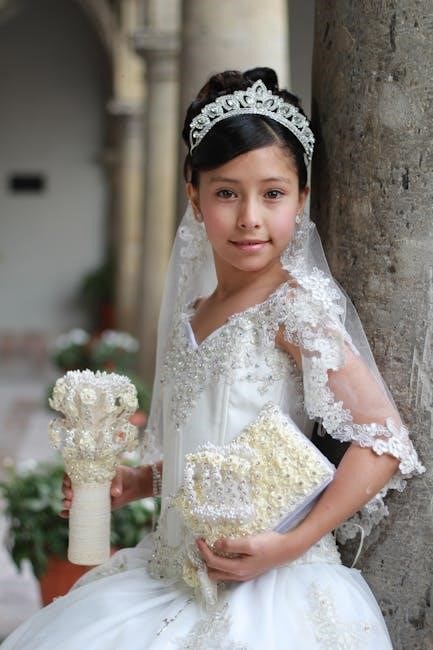
The First Communion ceremony is a joyous celebration of faith! Typically, children will be dressed in special attire – often white albs – symbolizing purity. Expect a Mass focused on the Eucharist, with the children receiving Holy Communion for the first time.
Preparation lessons, often available as downloadable PDFs, will outline the ceremony’s flow. Families should understand the significance of each part, from the readings to the presentation of gifts. Encourage reverence and participation, making it a truly memorable experience!
Attire and Etiquette
Appropriate attire for First Communion typically includes special garments signifying reverence. White albs are common, symbolizing purity and new life in Christ, though parish guidelines may vary. Preparation PDFs often detail specific dress code requirements.
Etiquette emphasizes respectful participation in the Mass. Children should understand the importance of quiet reverence during the ceremony and approach Communion with humility. Families should review expectations beforehand, ensuring a meaningful and respectful experience for all involved, fostering a deeper connection to their faith.
Participating in the Celebration
Active participation enhances the First Communion experience for the child and the entire family. Preparation PDFs often outline roles for readers, gift bearers, or choir members, allowing children to contribute directly to the Mass. Encourage attentive listening during readings and the homily.
Families should embrace the joy of the occasion, offering support and encouragement. Capturing photos and videos creates lasting memories, but mindful reverence is key. Celebrating with loved ones afterward reinforces the significance of this spiritual milestone, solidifying their faith journey.

Post-Communion Continued Faith Formation
First Communion isn’t an endpoint, but a beautiful beginning! Many preparation PDFs suggest ongoing religious education opportunities, like Sunday school or youth groups, to nurture the child’s growing faith. Consistent engagement strengthens their relationship with God.
Families can continue spiritual growth through shared prayer, reading scripture, and discussing faith at home. Utilizing resources from the parish or online platforms provides continued learning. Maintaining a vibrant faith life ensures the First Communion experience blossoms into a lifelong commitment to Christ.
Maintaining a Relationship with God
Post-Communion, nurturing a personal connection with God is paramount. Many preparation PDFs emphasize consistent prayer – both individual and family-based – as a cornerstone of faith. Regularly engaging in prayerful conversations fosters intimacy with the Divine.
Utilizing resources like daily devotionals or scripture reading can deepen understanding and strengthen the bond. Encourage children to express their thoughts and feelings to God, fostering a genuine relationship. Continued participation in Mass and sacraments further solidifies their faith journey, ensuring a lasting connection.
Ongoing Religious Education Opportunities
First Communion isn’t an endpoint, but a beautiful beginning! Many parishes offer continued faith formation programs beyond the initial preparation PDFs. These opportunities, like Sunday School or youth groups, reinforce core beliefs and encourage spiritual growth. Explore supplemental resources available online, often in downloadable PDF formats, to support ongoing learning.
Consider family-based religious education, such as reading scripture together or discussing faith-related topics. Consistent engagement with religious education ensures a lifelong journey of faith, building a strong foundation for a deeper relationship with God.